21 – Harmless – A Movie Shot on Super 8
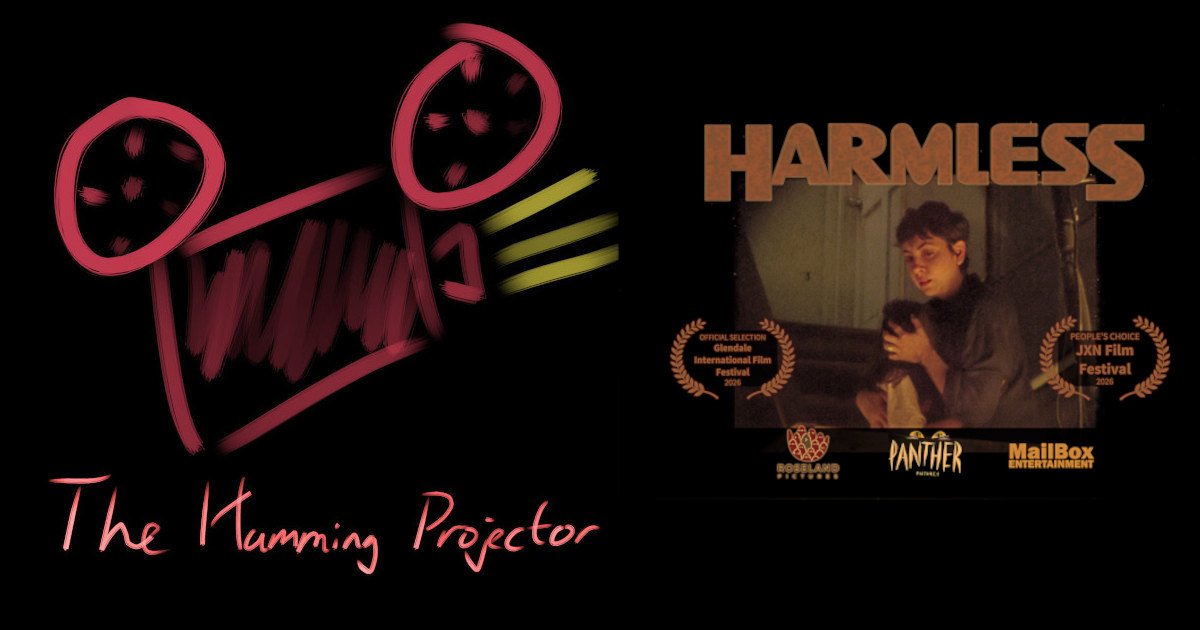
Shooting with Super 8 is just for home movies, right? No it isn’t, and in this episode we interview Eric Player, the screenwriter and producer for the thriller movie Harmless which was exclusively shot on Super 8. A truly fascinating story where someone dares to think differently and produces a very interesting movie.
Some of the topics in this episode
- A movie shot exclusively on Super 8, and how the format affects the movie
- Eric’s relationship to Super 8
- Getting the cameras ready for the project including a modification
- Technical issues during filming
- Challenges when shooting with Super 8
- How did it affect the actors and others involved?
- Actors reaction when they realized it would be shot on Super 8
- The importance of all the people involved, and their loyalty
- Film stocks
- Shooting in 4:3
- Labs and film development
- Will we see another Super 8 movie from Eric?
- When and where can the movie be watched?
- Will it be released on Super 8?
Links
In this episode
-
 Eivind Mork
Host
- Eric Player Guest
Chapters
Transcript
So welcome to another episode of the Humming Projector Podcast. It has been a while since our last episode, but what a better way to get back on track than having today's guest on the show. Eric Player is a screenwriter and producer. He has a long history in the industry, both as a scriptwriter and producer, starting with his Bachelor of Arts in Theater and Film, with a screenwriting emphasis in 1997. He is here today, though, to talk about Harmless, a movie shot exclusively on Super 8, where Eric was the producer and screenwriter. Welcome to the podcast, Eric. Eric Player: Oh, hey, thanks for having me. It's great to be here. Eric Player: Yeah, it was really exciting when I heard about this project, so I'm really looking forward to this recording. So, before we go any further, could you tell us a little bit about the movie? Eric Player: Well, Harmless is a movie we just, as I was writing it, I could kind of see that it was sort of a Hitchcockian kind of thing. I wanted to do a thriller, I hadn't done one in terms of my screenwriting before. And so I, I mean I wrote it, I actually wrote it on paper with a pen. Just had that carrying around with me every time I got a moment to start scribbling and it kind of poured out of me. I mean I had other ideas through the years and notes that I'd taken, but it just kind of like, this was the moment to write it. And when it was done, I looked at it and I'm like, well this is, like I say, very Hitchcockian. It's very, it's more about what's not said than that's said in all of this. It doesn't have a lot of overt violence. And so I thought, well you know, the medium is going to be just as important as the message here. And it just, you know, the tone of the whole script, I was like, oh this is, this is going to be a Super 8 movie. I had, you know, I thought of that through the years I'd been, I've been trying to find a purpose, a reason for a Super 8 and this one just kind of leapt out at me. The basic pitch is that there's this lady who lives next door to this other guy, and his wife and her husband disappear around the same time. And so, you know, she's talking to him, "Hey, have you seen him?" "No, I haven't." And then she goes, "Well, where's Shauna?" He'd been kind of been cagey about whether or not his wife was missing too, and she corners him on it. And when they realize that they've both left at the same time, she immediately thinks to herself, "Oh, well, they must, it's obvious they ran off together. This is an affair issue." And he sort of encouraged her in that thought, "Yeah, yeah, it must be it." But as it goes on, she realizes, "Well, maybe there's a lot more to it than that." The simple explanation wasn't the right one. And that he's not her partner in this. He seems like he's turning into an adversary. And so the cat and mouse begins and it goes through. She tries to get police involved, but in the cliché of it all, of course the only cop that believes her is the one who's been disgraced by his fellow officers and stuff. And so, two of them trying to work it out and the chaos ensues. Yes, and I've been lucky to see it in advance before many others have the possibility to do so, as you sent me a link before this show. And I watched it together with my wife on Halloween, actually. And we enjoyed it, both of us, we really enjoyed it. She's not into the Super 8 collecting as I am, but she also really enjoyed the movie. So this was really fun, both as a movie in itself, an interesting project, but also, of course, because Super 8 was part of it all. And I just have to mention, though, that one of the two other people in the movie are called Norway, Mr. and Mrs. Norway. And as I'm recording this from Norway, that was kind of funny. Yeah, I have sort of roots back in that area of the world myself, but like 19th century before they come over to America. So, I just kind of threw that in there. Not even knowing because I had no idea about your existence at that point. So, what is your relationship to Super 8 as such? Have you done anything collecting, shooting with a camera or childhood or anything? Sure, sure. I mean, if this was a video podcast, I'd go pull something out down here or maybe I can just show you, but I have a lot of Super 8 cameras, I mean for a single person I guess. I mean, I'm sure there's people with a lot more, maybe you have a lot more than I do, but I've got about a dozen ones that actually work and a few others that are just kind of there to be wall candy. But I have, you know, I'm what they call in America a Gen X-er. You know, I was born in 1973 so the camera that my dad had slung over his shoulder getting every piece of my childhood was a Super 8 camera. Right. So I see him doing that and I get, you know, it's because dad's doing it, it becomes this fascination. And then as I went into got into film and became more interested in writing and producing for it as I got into college, I just it was always something fascinating to me. I have five kids, the first ones that were born in the late 90s and early 2000s, and so I could have had like a Hi8 camera or a VHS or something, but nope. I used my Super 8. A lot of their early childhood looks like my early childhood with the cameras falling around and the jerkiness and all this stuff and I just loved it. I even watched them on, you know, I got reversal film so I could, you know, show it right there on the projector. And so, you know, I've always loved it. I tried to do a short film very early in my career, but it was a three-day shoot that I planned out, you know, rented out somebody's restaurant and got it, it was, you know, you got to do these little pocket things when you're on a budget and it was just, it was mostly a conversation between these two people and it was done, you know, for irony, type sake and it was gonna be, I thought it was gonna be great. But two days into the three-day shoot I had a family emergency that came up and I had to shut it down. So the footage on that was done on a, I found out why I got, I got all the, all the film for it was donated at the time from, because I was in college and so they gave it to me. Found out why it was donated though it was about to go obsolete that particular codec that they were using. So it sat on my shelf for like 15 years, waiting for a time to get it. But when I, and when I got, started to get the budget in for this, I was able to justify, you know, putting that, getting that all together. And it was faded, a little purple, but it was all there. And so I've been, I've been kind of fascinated with the idea of making a movie out of Super 8 for a long time. I mean I don't know what else to say except that it was, it's just, I'm fascinated by, I guess I would say visual things. As I went into filmmaking, I, for the reason I was so fascinated for screenwriting is because this is a way, you know, this is something that goes on your page and is meant to be seen later. And I get kind of, and that really intrigued me. And then I love like old architecture. I would probably be able to wander around Norway just kind of looking up like people would think that I was looking for space aliens, but no, I'm just checking out the rooftops. You know, I just, those are the, that's, that's kind of my, my real love is just that sort of thing. And so Super 8, with its, you know, unique tones and everything, it's like, I heard an expression once that old, old family films make you think you remember, you let you know your childhood clear as a bell. But, but of course it's all, you know, filtered through that. So everything about it was just something that I loved. And so having, knowing that I'd always wanted to do this and then writing something that unconsciously almost matched up so well. This was like a five year journey between, I wrote it, this is what I want to do. And then I started collecting, of course, you know, more cameras, but more higher end ones. I started investing in Buleos. And there's a, and you probably know this name, but Jorn Andersen, out in Sweden, he, he's like the last guy out there that still works on them. And I said, I sent all my cameras to him, including this 5008. I got it all cleaned up, got it, got it collimated, got it ready to go. And then I'm still, you know, there's still that, that real problem really of Super 8 in that if you want to do sound with it, it's not a, it's not an exact science in terms of the motors pulling and the cartridge, everything is just a little off and will go faster and slower. And so what I did was after I got the Buleo back, which the 5008, it was originally a sound camera. So the sound cameras always have a little bit more robust engine in them anyway. And so they, you can be more, they're more reliable to hold still, but still it's not perfect. And I, there's a guy in his 80s and maybe I'll, I can give you this information so you can make a link to it for your own fans. But it turns out he's this little operation in South Carolina, USA, that still outfits Super 8 cameras with a crystal sink. Oh, I love, I love things like this. Yeah. And I, I don't know how I, I think I actually started, started searching and you know, just putting in search phrases, you know, looking for a crystal sink suit, right? There'd be people that would be talking about it. And then in this one obscure forum, I saw somebody makes this side comment about him. And so I was able to, you know, leave more until I found this. He has a website, looks like it's from 1994, and that's all he maintains. So you can find him. It's like the A-Team. If you know where to look, if you can find him, maybe you can also use George. And yeah, I sent it out to him. He held on to it for almost a year, but it came back and, you know, it was perfect. That was our main camera on this. I mean, it was, I felt like it was much, it was a much better solution than any of the other cameras, or even some of the new ones that are being produced. I just thought, it just worked out so well. This one was so solid. We got on, but luckily, I also had the Bulio 4008. I had a, I have like an S and I have two ZMs and a ZM2. I was just, you know, I'm hoarding these things knowing that I wanted to make a movie soon. And I brought a 2008 and a 4008 with me out to the shoot shot in Mississippi where we were doing it. And it's good because first day of shooting at 5008 failed me, not for all the mechanics I spent all the time working on, but the battery. I'd invested in some batteries, some from places you probably know, and I'm not going to name any names, but they just wouldn't hold a charge, one of them broke its wire, and all this stuff that should have been fine wasn't. But I, and this is another little tip for everybody, I discovered, well really my cinematographer discovered, he started immediately scouring sources, and they make batteries for like remote control vehicles that you're building and kits. They're about a, I'd say, four inches long, two inches wide, they're these, you know, that's what they're for. And you can plug, I mean the plug on them is perfect for plugging into the two power sources on a 5008, not the one that runs the lens, but the one that runs the camera. You can get it in there and it's the exact right voltage, and so he ordered a couple of those, and we really didn't know that it's exactly, but they were the right voltage. We'll try to wire something up, you know, and we got it in and it plugged right in. We ordered a few of those, had to wait a few days, so a couple of days, I don't remember the scenes in the warehouse and that final fight. All of that was done on the 4008 because, you know, so we had to go in and what we did was our sound guy, he'd been adjusting everything for 24 frames. When we switched over to the 4008, he started adjusting it for 25 frames because that's, you know, that's the only one that it really. That's the one that it really locks into. And then in post-production, luckily that one of the almost three weeks of shooting, there was only three or four days on the 4008 because we had to go in and about every six seconds it would start to just fade out of sync. And so we had to go through and by hand, in the editor, move the sound. And these rolls were, they had like, you know, they're three minutes long, had all these different scenes in them. But, you know, three minutes, every six seconds by hand. That's a good dozen rolls. It took a couple of months. Because I did, because I didn't want to pay the editor to go through that much footage. So that was fun. But, you know, got it together. But that's what you gotta expect, the little things. That was my first thought when I saw this project. That I knew it would be some issues. What you explained now was even more than I was thinking about. But the first thing I thought was, this guy really wanted to do this. Because you would never have done this unless you had some passion for Super 8. Because there has to be a few things. And finding this guy with a crystal sink in the US and Björn Andersson in Sweden, like, refurbishing your cameras, it's quite something. So, you mentioned some of the challenges of filming with Super 8, but I guess it would affect the way things were recorded as well. I mean, the actors had†—I've been recording once only for a movie, and they take their time, starting the camera, rolling, everything. And if they had done that in that pace, you have, like, used half your roll before you knew it. So, how did the†—actually, having this short cartridges affect the recording? Well, I got to tell you, our lead was a fairly famous in his realm. You know, he's not John Bon Jovi or George Clooney or anything, but he didn't have to do this kind of thing, you know? He was long in his career, and he's got a pretty good group of credits that I approached him, and we knew each other kind of, you know, through the grapevine sort of thing. And we'd never actually done any projects together, but we had friends, common friends that had done some. And so when I approached him, he had made this social media post, which was just kind of, "I wonder what I'm doing for the next month. I got to wait on this project." And he just, you know, he was more musing, and I jumped in, "Hey, I got something you could do in April." And he was, you know, a little skeptical, but when I actually, he liked the script, and then I told him, I just, I told him, I said, "Okay, we're gonna do this on film. That film is gonna be Super 8." And he actually came on the project because he thought, "Well, that's kind of cool." And he's a kind of actor that doesn't like to do a lot of swearing and violence anyway. And his wife actually asked him as he was in pre-production, he was like, "You don't really do these kind of movies very often. Why can you do this one?" And he said, "It's because how many times am I gonna get to play somebody like this, and I not have to worry about whether I want to watch it with my kids kind of thing?" And she goes, "Oh okay, that makes sense." So he was on board for the script, for the part, and for the Super 8 portion. But most of the others, in fact, pretty much all the others except for the police character, actor Gary Clavins. Nobody else knew we were going to be doing this on Super 8 or on film at all. Really? We cast for it based just on the script because we didn't want anybody, because like I said, it even took him a couple of conversations back and forth who didn't, you know, he didn't need the job to convince him to do this. But the other actors, some of them were, you know, this is their first time on something, they had to be real careful. Or they were at least character actors who had done a lot of other things, but had never shot on film before at all. One of them, he didn't know until he got to the set and he's like, you know, they're adjusting his makeup and about to walk on. And then he comes walking past the camera. And this was during the 4008 days. So he goes walking past this little fist sized camera and sees our DP popping in and he goes, "Oh, this is on film?" And I said, "Yeah." He's like, "Oh, okay." But he'd never shot a film at all before, so that kind of made it easier to have him, you know, because if he'd been on 35mm all the time and then he saw this he probably would have walked back in the other direction. But he didn't realize that he jumped in with it. And I have to say that all the actors, it actually turned out that they were like, "Wow, this is on film? I haven't ever got to shoot on film before." Because, you know, the last 20 years is almost exclusively digital, especially in an independent world. Yeah. So they were, I mean, they all just kind of, you know, were enthusiastic. And in fact, some of them later told me, and I've got a couple of interviews with them on this Instagram account that, you know, actually the fact that they had to be on, that this is not going to last very long, that we're going to maybe get two or three takes out of this role, you know, they were like, "Okay, I'm better for this. I'm actually more on." And they appreciated that. They brought everything every day. They embraced it. Yeah. Cool. Because, of course, they must have been quite affected by this. And as you said, they have to be, like, right on because the cartridge is just, like, three minutes. And there must have been quite a few cartridge changes and things like that. Oh, yeah. There's a couple of times where they're like, "I was on!" And even me, when I was going back through the footage before I was getting ready to send off to the editor, I'm seeing, like, my favorite take is the one that, whoop, halfway through. Well, we're going to have to start that one over. Yeah, exactly. Yeah, I mean, and so some of these performances, I mean, only I am going to know this, but they are, you know, multi-cartridge performances because the beginning of it was, oh, they're really good, but then they do the, it took a minute to roll back into it once we put the new role in, so the beginning part of that new performance really wasn't as good, but that's okay, because the other one that got cut off was good, and then the later part of the performance, they brought it back, and so, you know, you just got to piece it all together, especially on film. How many seconds left did you have before you said, "Well, I really have to change this"? Well, our DP was keeping track of all that, because he would have to, especially because there were a couple different types of film, we did it all on Kodak 50 and 200 and 500, and so as he was needing to switch through, maybe this cartridge wasn't done yet, he had half of it left, you know, he's gonna pull it out, and he would mark how much time had been used on it, so he could use it again later. and we actually, we're talking about film, we actually did have one roll of Wittner that we, it was, I think it was 400, that we used, and it's in one spot near the beginning of the, so I'll let you kind of guess or go through and see if you can identify the different look. I have to look for that again. No, as you mentioned that. And, but he, because he was keeping track of all that, he would generally try to stop the performance, you know, before, you know, you'd say, "Okay, we got this much time." And then he would stop, "Oh, we're almost out." And then he would roll the, he would roll the, you know, the roll out for the last couple of seconds before he switched over to make sure when it got that far along that everyone would just be burned out. And there's a couple of times that he's doing that. Nobody knows it's happening. We got some pretty good behind the scenes moments. Mostly, usually they didn't have sound for them, but seeing people wandering in front in front of the camera or saying, "Hey, we got it!" Or there's one... I'm sure she was going mad. Our script supervisor. Having to keep track of all of these roles and all of this stuff in ways that she really hadn't been trained in before. There's one where it's in the scenes where they're arguing at the police station near the two-way glass. So when they finished out that role and the camera kind of wanders to the right as he's just letting it roll out. And it puts her in on the screen. And you can see that she is just livid. And she is pointing at things. And this should be that. And why isn't he around this way? And I don't know exactly what she was saying. But she was on. We ended up using that little piece of her when we did her interview that's on the Instagram. She's talking about her time there. And then you see her, "Ah!" You know, just little things like that that was nice to get. We didn't hit a lot of... Most of our BTS is on. This is on, you know, on video. We had the person that was wandering around doing that for us. But every once in a while we'd get a good shot on the Super 8 as they were clearing up the role. And I guess there are a few other differences compared to modern digital cameras, like low light issues. I mean, you have 400 and 500 ISO, so there are more light sensitive, of course. But anyways, I will presume, this is not my field, but I will presume that it is more difficult in low light with the... Yeah, well, in a coincidence that we, or just a get that we hadn't expected, we were, you know, trying to keep all of our, you know, we had our actors that we'd, that we'd, of course, screen, you don't matter where they're from, just try to get them. But then we tried to do all of our, our local, you know, local talent for the, for a couple of the background or one or two word ones, and also the crew. And one of the guys came in from Louisiana and it turned out that he'd done a lot of work on some Marvel stuff. So he was, he was our, he was our gap, our main gaffer. And he, so he knew how to, how to light things. And he had a lot of stuff that he was just, you know, same price we could have got for a guy with his, with his pickup truck. This, he brought in this big trailer full of lights. And he's like, okay, what do you need? Cool. So he was able to help us with those, with those film things. Adrian has had some film experience in general. This was his first on Super 8, our DP. And he was, he was, he was loving it. We had a relationship before. And he knew a couple years out that I had this script and that I was planning to do this. And he was immediately, "Yes! Use me! I want to do this!" So that, that his experience, the lighting guy, it really helped. I mean, there are portions in the warehouse where you can see that we were just, we were really pushing the capabilities. But I was very fortunate. I love Super 8 cameras. I've made Super 8 cameras. I've made Super 8 cameras before. I told you before that I filmed this other short film, supposed to be a diner type comedy that didn't quite get finished. And it looked pretty good when I finally did develop it. But having somebody that actually knows what they're doing with photography, even behind a Super 8, it made all the difference. He knew how to lock, how and when to lock the camera down, versus letting it move. How to light. He even was so, he'd done so much stuff. We got to the end, and you know, we're running out of roles. We're running out of money. We've got to wrap this up. He would, he was very good with just going through, okay, what's essential here? He'd pull out the script. He's like, what are we trying to do? What are we trying to say? What do we need? And he would identify really well, and he'd show me also, this is what I'm thinking we need to film today. And I was like, well, right. That's exactly what we need. If we can't lose those, So he would help us to combine, that's one of the challenges of Super 8. You only got so many roles sometimes too. Combining scenes, combining dialogue. We once had one of our main police officers, like an important piece of the plot. And they thought that their days would have like a week in between. And so they left without really telling us, they flew out of state to go do some family stuff. And so, in the middle, there was another scene that they really needed to be in. And they weren't there. So, Adrian goes, "Oh, you know, I know what we can do here." And he, you know, we gave, we moved it to a different location in this particular speech. We gave it to the other cop kind of thing. And it, you know, it all worked out. He was vital to that. I was, yes, I was doing this for the love of Super 8. But if I didn't have all these professionals around me, that the guy with the lighting, Adrian, Adrian, with our, and I should say the lighting guy's name is Michael Sanuti. So if anybody out there is in the southern part of the United States and needs a good lighting guy. But then, you know, this never would have turned out as well as it did. Sounds kind of stressful to me. So you really had to love this. But there are a few things that I noticed with Super 8. And I, you could have done this in 16 or 35 and it still would be like kind of in the retro, in the retro time we are in now with film. Sure. But it wouldn't be the same. Because the first thing I think when I saw the movie was that because of my old family moves, I also have grown up with the standard Super 8 family moves. I get an instant feeling of another time and place sort of. So it really changes the feeling of the movie quite instantly. So I was really fascinated by that. And with Super 8, everything is blown up like you see the the grains more. But it's not a negative thing, it adds something to the movie. And I was also fascinated by, you can see some kind of a bit darker corners. You chose not to crop that off in the edit and I love that. Yeah, one of the people that we got to see it, that we were able to get an early screening of, because we wanted their opinion, was Mark Irwin. I-R-W-I-N. He was the DP on Scream. And he did, there's something about Mary, and he's done a lot of other, but those are kind of the two that I, that we held up as we quoted them. He actually, he really liked it. Yeah, that was my thought as well. He thought it added to some of that. But it was, I mean, it's as simple as, you know, you zoom in, and you don't quite see it in the eyepiece, but you're going to see it afterwards. And that's the edges of the actual cone of the lens that when we would go in far enough, it was there and we're like, you know what, actually it looks pretty good. So we didn't worry too much about it afterwards. But it's, as you say, it's a Super 8 thing. It's something that we would not have got in other mediums or decided to live with in another medium. No, but that's really okay. I mean, that's part of the deal. You understand that straight away that you, of course, if you have been looking for like super sharp images, you wouldn't have started with Super 8 anyway. So that's part of the deal. And another thing that I really noticed was that it's been a really long time since I watched a new feature film in 4.3. I mean, it's not that common anymore with this format as you still have in Super 8. So that was kind of interesting. How did that affect the way you shot the scenes or did it at all? Well, we flirted with, you know, when I was doing all those modifications to the cameras, I actually spoke to Bjorn about this over email, whether he was capable of putting a larger gate in and doing the Super 16 as they call it. And he said, "Well, I could." But he didn’t see the need in terms of the quality of the camera and actually felt like it would take away. And we also could have framed everything just a little bit so that we could maybe crop it in more of a 2.4.3 version. Yeah. But I decided in the end, well, I'm working with the director Charles Fox who was an amazing director and all of this. I don't want to talk like I did it all. Of course not. He was a major creative force in this. And we just, you know, because it was this older format, older story, you know, something we wanted to give that nostalgic feel to in terms of the older thrillers. I was like, no, this is the right shape. And I, well the world's biggest flops apparently in terms of financially, but I kind of got a kick out of when I went to see Digger. It's also in 4x3. Oh, I didn't know, I haven't seen that yet. Yeah, yeah. And, you know, the Odyssey, you know, huge IMAX, but it's still a box, a shape. So, you know, those coming out after I made this, I looked at them and I'm like, oh, well, we won't be the only one that's done. We won't be the only one that's done that recently. And hopefully it kind of gets the audience a little bit prepared for something like that. But I just liked the way that the box ended up looking. And it also, honestly, keeping it in that shape, because Super 8 has its problems, actually saved a couple of shots. Because, you know, you check the gate as best you can, but sometimes it doesn't happen. And the entire opening scene, the reversal shot of Scott, our main actor who plays John Gordon, when they're standing at the door, he goes, "Hi Grace, how's it going? Am I being too loud?" And all of a sudden, that entire shot had a, when you blow up on the screen, it's going to be like this long, and I'm holding my fingers apart at like two inches, hair that was upside down so that the follicle was on top. It was like a microphone. And it was poking up right under his arm. So sometimes you wouldn't see it, but you obviously saw it in most of the shots. And I'm looking at this going, ugh. And we didn't have another shot. So, but because we had the square, and because we could move the image just a little bit over, and bring it up just a little bit, and we also could crop in just a little bit more without people noticing as they watched, you know, saved. And if we hadn't chosen the square image, the amount we would have had to blow up that particular shot, in order to, you know, hide that, would have, especially on Super 8 as you say, blown out the picture, you know, a lot softer than it was. And as a side note, Adrian got some really good, very clear shots, as good as Super 8 could possibly get. He did a 50D on some of these car conversations, and it's just, I mean, you know, I love it. Chef's kiss, as they say. But, you know, without, if it hadn't been in that box format, there were more than one shot where the uncleanliness of the edges would have just ruined it. And it would be one of those things where we'd have to, like, sit next to somebody who's watching and try to explain: "Oh, don't worry!" Which is not what you would have to be doing with a movie. So, yeah. And I would say that the technical quality of the film is really good. Really, really good. Sharp, good images and things. You can, part of the time, kind of forget how small this gate really is. Until you, a seldom time, once in a while during the movie you can see some hair or a lab mark on the movie and then you are reminded how small this film medium is. And I must say, I really love that. I really love that. Because you kind of get the feeling that you have found a really old film or something. Like, I don't know how to explain it well. Like, you found this old 70s movie or something. Well, I appreciate that. One of the things when we were pitching it to distributors, we would say it was like, "With the new emulsions that Kodak's putting out, we can make modern Super 8 look like 70s, 60s." Yeah, but I think that's exactly my impression when I watched it. So, it must have been quite exciting to get it back from the lab. Where did you develop your films? It's kind of super precious. This is not just a hobby project. This is incredibly precious. So, where do you develop something important like this? Yeah, I wanted to make a good balance between the actual budget I had for this thing, which was, in movie terms, very minuscule. I guess I should mention that, because there's people trying to do this for themselves. It was a combination of some bank stuff, personal savings, investors that have said, Okay, I'll put a little bit of that in. And we cobbled together about, it was about $240,000 worth of in the final budget. Kodak off, you know, because they were going to, they were going to, and they gave us a little bit of sponsorship, enough that we put them in the credits in terms of film. They would, they gave us a good discount on each roll as we were doing it. They also threw in free rolls every once in a while when we would, you know, call up and say, Go give us a few more. And they went, ah, okay. And so that was great. But they wanted, and I don't know if they were hoping that we would do this, you know, they didn't make it a stipulation of giving us the film, but they, you know, maybe they're hoping to get the other, get it back in the other end, but they wanted about twice and a half a price of doing this than on most other places. But then even those other places were more than this. When we finally found super high quality, it's a small business that's still ramping up, but they've got all the newest equipment. It's a place called The Negative Space in Littleton, Colorado. And I'd used them a couple of times just because, as I say, my love of Super 8, I got my kids on this and even my youngest that are running around right now, one's 10 and the other one's 15. I still, if I'm feeling like I want to record something, my 15-year-old at this point is just, "Dad, please, just use your phone. Don't bring that to the debate or don't bring that to the concert." But, so I've been using Littleton Negative Space for that stuff already, and I knew they did really quality work, but I didn't know whether they'd be able to do something this volume. We used about 200 roles, somewhere around there. I think I've mentioned a higher number in some interviews and lower in others. But it was somewhere around 200. So, you know, and we needed this stuff back in time to maybe see a daily or two, please, to see how it's going before we were finished. And they gave us a great deal. They did excellent work. The only thing that actually, I knew that we were going to get back some goods. So in fact, I've got three boxes of negatives that they sent back when it was all over, but they took good care of us. And the only thing I actually worried about was the post office sending stuff. We did some FedEx, we did some post office, just until the stuff was in her hands. And then on the way back, until it was in ours, it was just... That was where I worried. But no, I mean, in the United States, Pro 8mm is a really good place to develop. I acknowledge. There's a place called CineVision. Well, there's CineLab in Boston, and they are pretty good. And there's actually, and I'll put a shout out to these guys, there's a place in Brooklyn called Mono No Aware. I don't really know why that's their name, but they're a non-profit organization. And they do all of this, and they do it at a really low rate. It's a hit or miss on the quality, and it's not anything against them. It's just that they do it in small batches. And so you never know when they're going to have time for you. But they really were good. They gave us their basic rate, and so I'm going to tell people to look them up, try to find them when they are trying to find a film to purchase. Their basic rate was the same as the huge discount we were getting from Kodak. So if we couldn't get a hold of Kodak, or if we wanted to do something quick closer to where we were, sometimes we would get a hold of them. And when I did, because Kodak wanted to do, you know, larger amounts, and even over the course of the time that we knew them, Negative Space got so popular that they started being, you know, they committed to our big project, but after that, one or two roles were going to take like a month to get back. So we would go to Mono Nowhere and they did these really fast turnarounds as long as it was, you know, within their schedule. So we had several places for the, and this is for the B-roll type things, things that we, after the main stuff we had to come in, we had to, we got to get a shot of a, you know, restaurant on the outside before we go in. We have to get, there's one shot I'm particularly proud of, because it's my shot, and because our colorist was just amazing. There's that shot where the girl, you know, I'm not giving too much away to say there was a girl in trouble. And the person that's holding her throws a rotten sandwich out for her to have for food. And the shot of the sandwich falling on the ground was taken at a construction site in the middle of the day in Fargo, North Dakota, where all the other stuff of her is an interior basement in Mississippi. And we had to make those match, and our colorist, he made those match. And that one, I think, was developed by Mono No Aware too. So it's just all these different places that we used, depending on what was available. But our big shout-out is to the negative space in Littleton, Colorado. Nikki Cole is in charge of that, and this movie wouldn't exist without her. Cool. Did you get any surprises when you got your films back from development? You mentioned when they opened the sequence, but did you get some positive or negative surprises after you redeveloped it? In the digital film you can watch the shot before you're moving on, but you couldn't now. Yeah, but we couldn't, no, not until we got it back. No. We had some great, I would say like one of the great surprises, like I said, in terms of the nice surprises were how well, I mean just how clear some of those daytime shots were. I didn't expect that really on this Super 8, but Adrian knew what he was doing, even though he was just having to look through an eyepiece the whole time instead of having a monitor. He was precise, and some of these daytime shots, it's like I could see the lines on Scott's face, and I'm like, I never expected some of that. Some of the bad ones are most of the stuff that I did, trying to do B-roll and stuff, there were a couple of shots that, if they hadn't been at night, you would have seen how out of focus they were. Harmless – I didn't notice that. Harmless – Yeah, I know, and I'm not going to tell you which shot I'm talking about. There were some that I did, that you got it back, and I thought they were going to be completely unusable, because of some of the hair stuff, and because of some of the focus issues, and I didn't expose it right, or that kind of thing. And I'm just going, ugh. And again, that's the surprise of Super 8. But our colorist, again, his name is Pete, blanking on his last name, but he's in the credits, and it's Color Space Finishing is his name. And he had been, he'd done big 35mm actual film colorizing and stuff. So he, as we were interviewing colorists, he's like, you know, no, I love, I'll do this at whatever rate you got, I love independent film, and I've done film for 20 years, and I was, you know, okay, great, he knows what he's doing. He went through, he's one of the reasons it's so clear, because he found ways in his process, and none of this is AI, I want to stress that he didn't, you know, it wasn't a guy like, "I'll just stick this in my computer and come back." He's doing this by hand, but he found ways to minimize the grain when he could, and clear things up, and he saved more than one of these bad shots that I did. And like I said, he was the one that matched the shot of the sandwich and things like that. And I, again, I'm just, Super 8 is its own unique, and you have to want to, and everybody that was on this project was enthusiastic about it. They weren't dismissive, "Oh, why didn't you do?" Because I'll still get comments online, people in the Instagrams, or as I'm trying to push the movie, I'll go, "Why did you do this on Super 16? You did it wrong!" No, I did it right for me, you can do what's right for you. But everybody on the project that was actually connected to it was just, they were great. And that loyalty helped on days that things were just not going the way we wanted them to. Our second day looked like it was going to fall apart, and this whole project was going to be over before it started. We had people walk off the set just in a rage, like squealing tires out, "What am I doing here?" And I guess I'll take credit for just standing up and going, "Okay, that person's gone. Let's go over to the set like we were on our way to, and let's just do what we can do." But what I say is the loyalty helped, just because every single one of those people that would throw up their hands on the second day and were out. Within a few hours they were back, they were apologizing, they were realizing that they were necessary to to make this even work at all and make this even work at all. And they wanted to help. And I think that, really, these little projects, small budget, Super 8, or I don't care if it's on VHS, if you can get that kind of loyalty, I'll say, out of a group that comes together to make something that they believe in and that they can see that they're needed at. I mean, part of the problems in the United States film industry right now is there's people are seeing consolidations, they're seeing budget cuts, they're seeing, you know, they're in this cog, they have their job, and they love their job, but, you know, and this is, I'm talking a lot of the smaller crew things, this is what this is affecting. But they're not seeing that in the main, you know, people that are giving them the money, the people that are, the resources, the scripts and the producers, they're not seeing it from them. These huge corporations are coming in and just, "Well, you're disposable. Well, we'll throw this in. We can put anything on Netflix we want to." You know, people will lap it up kind of. But when you're on a project like this, where everybody feels like they, this would not be a movie if they weren't there. And most of the people on the set, that's how it was. All of them, I'll say. One of those people, like our screaming script supervisor, who was just, "No, this is where they need, we gotta have this part." And whatever she was on about in that shot. If she had left, you know, we're We're not going to know where we are, what we're doing anymore. Especially if she'd left, you know, a week, two weeks into it on a three week shoot. But nobody, you know, you vent, but you want to be wanted. You know, you want this to succeed. And I think that that reality of how independent film works was heightened using Super 8 because they knew that this was going to be something no one else is going to have. Nothing on their resume that will always make people scrolling through, "Hey, we're going to hire you. What's this one?" And they came, they brought it. So, you have touched this quite a bit now, but what was the most important thing you learned during this project? With, you know, with all the things I've said about loyalty, about making sure you got enough light, I think the most important thing that I got from this, and it's going to sound kind of cheesy, but I've already spent all this time praising everybody around me, was I was able to, when it was over, look in the mirror and say to myself, "You can make a movie, you can make this stuff work." And I'd have been on other projects, which, you know, could tell me the same thing, except for, again, they weren't just quite as satisfying, and after this was done, this is something I'd written years ago, and I didn't know anybody was going to see it or not, but I'd done my best on it. You know, this little notebook thing, who, you know, who's going to want to do that? I'd admired and wanted the look of Super 8 for quite a while. Buying these projectors that were broken and putting them together. Buying cameras that the only thing useful about them was maybe one of the knobs that I could take off and put on another camera. All of this stuff, I look at it, I was able to get it done. And I brought it through in a way that makes, that I will be able to always refer to and say look, yes, maybe this is going wrong or this is going wrong in this other project, but I know I can get this done because I've done it before. And that's something that I, in terms of learning from this process, it's the most important thing to me is that you get through something and now you can do the next thing because you know what you're capable of. And that was a good thing for me. So what's next up for you? Another Super 8 movie or was this a one-off? It's not so much a one-off as I don't know that I'll be doing another feature like this. I still love, I've got a couple more scripts, these little shorts that I'm like, "Well, that would probably go well on Super 8 myself." I'd love to do the Straight 8 contest someday. That seems like a lot of fun. But in terms of my actual projects going on right now, I've got a couple of... I'm going into the realm of romantic and slapstick types of comedy next. I want to do... I've got a script that I've had for a few years that I, you know, just every once in a while I'll do it and I'll update it again so it's a little more, you know, relevant to today. I've got it, but both of them are ones that... I mean, that's what I'm pursuing on. I've got some of these new scripts. One of them is a... It's a story of... I mean, in the United States, it's different from other places where everyone can go to college if they want to. Whereas other places, it's like, okay, follow the test. If you get in, great. Well, maybe you can pay for it. But in the United States, it's open to all, but you gotta get... You gotta pay for it yourself. You gotta... There's the student loan issue that's still a major one in the United States for in terms of economics and... What sort of, you know, opportunities does that give you later if you're so stuck in how much money is spent on this degree? And so this... It's actually a comedy that I'm doing. It's called "Academic Malfeasance" or "College Funding with One Simple Felony". And the idea is that this kid is coming out of high school. He's looking around. Oh my goodness. You know, he's got friends that are already way in debt. He's got... He sees what it's going to take to even at a smaller college, the kind of money it would take for him to go there. And then one day he's, you know, just living his life and sees this internet post scrolling through, you know, just news articles talking about the fact that there are people in prison that get free education to help better themselves. And he thought he hadn't he hadn't remembered that or occurred to him before. So he decides, okay, well, if I can get free education in prison, maybe I'll just get arrested. And then I'll get my college that way. So he, which is a really terrible idea, but one that he becomes enamored with. And this is the story of a guy that, that's what he's going to do. He's going to, he's going to go to college in prison. Because that way he won't cost him anything. I mean, he's not thinking about the felony on his record. You don't think about all these other things. He's thinking, free college. And so, that and the pandemonium that ensues is this script script that I've got. It's actually finished. It's been finished for a while, but last year, right after shooting this one, and as I got sat down into it, I did a little bit of a workshop with it with some other people, and realized that there was another angle to it that I think was much better than what I already had. So it's kind of going through a larger rewrite right now, but that one's in the canister. And then there's this romantic comedy. It's called Three Days because the most romantic comedies are like these two people meet, and will they or won't they? You know, are they going to get together? Is this going to happen? But this one is taken from like some backwards angle. It opens up, they're already together. They're sort of a newlywed thing, and the cliche is that the last, the first year is the hardest when it comes to a marriage or any kind of relationship, adjusting to one another. And so, in this one I call it Three Days because it's the last three days before their anniversary, and now it's all falling apart. They had a pretty good run at first, but now they're getting all their problems coming through, and are they going to get through those? So, not a "will they get together" but a "will they stay together" kind of romantic comedy. And that one is also done, and I'm happy enough with it that I'm not looking to do a large rewrite. I'm actually looking for funding on that one right now. So, if you have a lot of money, you'll know where to† Yeah, if you want to invest in listening to this podcast, if you need a new project, I need a new sugar daddy. So, back to the movie, one more question there. Sure. I'm a Super 8 collector and a lot of listeners are Super 8 collectors. If a distributor comes along and say, "Hi, I'm interested in doing this as a release on Super 8 full feature or a digest," would that be of interest of you or has it already happened? Yeah, no, we have a distributor, like I mentioned earlier, we do have a sales agent that's shopping it in Europe and Asia and even South America, recognizing that a lot of these places, they're a lot more open to this format. I mean, you yourself have already said how much it just, you loved it the first time watching it. And that's just kind of, I mean, you know watching American movies, it's not quite the market in America. There's a lot more bombast, I guess I'll say, that you need in your movie. And this is kind of a small, and it's really small, it's super 8. But we do have people that believe in this, and that look at it and say, no, there is an opportunity, there's a marketer for that. So you find someone, again, who believes in what you're doing. So we have that sales agent that she actually told us when we sent it off to her, it's like, you know, would you help us with this? So we sent her the link, and she called us up, and it took us a couple of weeks to get together, but we did a video call kind of like this, and the first thing out of her mouth was like, "Okay, so we'd like to do this, and I wanted to tell you, it's a lot better than I expected it to be." She's like, "I was mostly watching this because we knew, I knew her through, you know, it was one of these, again, friend of a friend, it's sometimes it's who you know, and that's just how any business is." So she was like watching it as a favor kind of thing, so she would then pat us on the head and tell us, "Good luck." But she actually, it took us out as a client because she's like, "This is I liked it! I was surprised how well I liked it. You had good actors, you had a good look." And then so, you know, so she's doing this. So that's another thing to tell people, just to tell people what you're doing, what you see, what you believe in, someone else is going to see that too. We have another distributor who's going to, who's looking at it for the US. One of the big things that is sort of happening in the United States right now in terms of independent film, is they're realizing there's so many of these little theaters that have been, you know, overlooked by the, by the big AMCs and by the big studios, but that are still out there in these little towns and they're, and they're struggling along and they want, you know, intimate content. And so this particular distributor, he's going to try to get us, you know, he's, he wants to get us into streaming and other things, but he also, he wants to take it on tour. So to go to these little theaters a little at a time. And so, but he's, again, somebody believes in us. The thing that he said when we did or had our meeting was he said, he's been doing this for a little over 20 years, I guess. And he said, in my, all of my days doing this, I've seen two movies that I thought would be, would be worthwhile that were on Super 8. And yours is the second one. I'm like, great! The distributors are out there, the people in the business, everybody wants something. Super 8 is unique. It's not new, but it's overlooked and it's unique. And I think that there's more to it than slasher films. You don't have to just make something, you know, right in their face screaming or shake camera. You can slow it out. You can give it weight. You can give it substance because it has its own and people, as you say, like you said, you recognize that it's just something inside you when it comes to Super 8. Even people that have grown up on digital as little kids, I see so many, now that I'm sort of in the Super 8 world online, and I'd been in it mostly already, you know, growing up there's lots of websites that I'd found, although I hadn't found yours yet. But you know, people out there, even like the age of my kids, they're just coming into to their own photography businesses, a lot of wedding photographers really like it, but they everybody sees the uniqueness of Super 8 and everybody has a response to it. So that has been a real advantage to us too. So again, for all the fans and all the workers and Super 8 out there, you're not crazy to want to work in this medium, or even just to collect this medium. It's as special as you think it is. And people that don't work in it, even if they have no interest or had no thought before of using this medium, they'll see what you're doing and they will respond to it because it's you. Next Friday, I will be in Blackpool in England, by the way, at the Blackpool Film Collectors Convention. So on the next Friday, that's the 12th. And I'm sure this topic will come up. Is there any chance we will see this, is it any chance that we will be able one day to buy this movie on Super 8 or as a digest? Actually, this distributor who told us that we were the second of anything he'd seen that he thought could survive that, wants to help us to master it back onto Super 8. Oh, that's great news. There's not a lot of places to do it. If you know somebody that does that digital to Super 8 type mastering, I think there's a place in Germany. Andec? Yeah, I think they do that. I just recently discovered them too, poking around, looking for these things. So we do have that in mind. In the meantime, of course, it's mostly going to be download and everything, and I'm sure, hey, you go to this place, I think the version I gave you, I don't know if I gave you the watermarked version when I let you watch it, or if it was a clear screen version. I didn't notice any mark, but it might have been invisible to me. There is a watermarked version. I would not be, I'll just say it out loud, that I would not be concerned if you wanted to show that to some of your friends and fans. I mean, as long as they know where it came from and know that it's ours and that we will expect at least some kind of acknowledgement of that, I have no problem with you showing it to your friends in the industry and in the hobby. I appreciate that. Because people need to know what's possible and people ought to be given an opportunity. You know, we want to keep proprietary on this, we want to be able to earn money on it. Yeah, sure, sure. But there is an industry, and so if you've got other friends in the industry that are interested, there is an industry version that we give that's got our info on it for people to watch and consider. And that's no problem with pointing people that come to us and say, "Hey, we'd like to see this" to that particular link. So I'll just say that to you now. You're going to a place where everybody's want to be interested in this? Go ahead and show it to them, and then they can come to us for their own copy. Yeah, sure. This is the convention to go to if you're interested in film collecting on real film in Europe, I would say. Yeah, and that's one of the things that you do on your site, isn’t it? Your database documents prints of Super 8. Yeah, I can mention that, by the way, we are working on adding cameras as well. There was an old database in Spain that had both projectors and cameras, and he had a permissive license of that, and he had abandoned the project. But we have included the project, projectors, and now we are actually adding the cameras as well. So that will come. That's great. There are a few old databases still online around. Maybe on another, you know, in an email later or something, we can compare notes about where you're getting your info if you need, you know, sources. But yeah, you're going to want, this is one you're going to want to build on your own so you can show it on your own, I'm sure. But I think that's all that is to say, I think that's a great and a necessary side of things to document. Yeah, and it's a great way to connect with people like you. I would never have got in touch with you without this Film Unim actually, and the world is small. I'm having a good friend of mine sitting in Minnesota that is helping me adding data to the database, so the world is not that large. Before we wrap up, it's still early days and I've been super lucky to watch this early. When can people expect to see it or in cinemas or on Blu-ray or where can they watch this and when? Right, that's going to be, all I can say with firmness on that is that it will be in 2027. We have this sales agent and this distributor who both love the movie, who are looking for ways to get it out there. We are holding back on actually signing any of these, although we've got these great talks going on. I mean we have the sales agent already, but these other distributors, because we want to, you know, aim high. You know, so we have submitted this to Sundance Film Festival. We have submitted it to the Berlin Alley Film Festival. We'll know by the end of the year whether that was, whether we shot that moon or if it was a flame out. But that doesn’t change the belief in this project. And some smaller festivals have already given us some really good insights and some good awards. We've had, there's a place called the Zap Fest in Utah. They go once a year, and they've already had this year. But they started looking into their next Sundance and they came across us, and they've already given it a first-round Best Actor for Scott, Best Supporting Actor for Owen Wilson, who is, I'm sorry, not Owen Wilson. I'm always doing this to him. Owen Morgan. I always say Owen Wilson. No, to Owen Morgan, who is our, he's the young man that hangs out with Scott's character. He's actually a, he's done quite a few Netflix and Amazon movies. He has a side part in Cobra Kai, the Netflix one.
And they gave him a supporting actor on this movie. There's a, uh, the, uh, they call themselves the We Regret to Inform You Film Festival because they try to look for, um, stuff that usually gets rejected by other, other, uh, film festivals. It's in Austin, Texas. They're going to be showing it on December 4th. And they've already, uh, given a, uh, supporting actor, um, nod to our, our cop, Gary Clavins. Best actress to, um, to our, our main, uh, Marissa. So, people are seeing it, and, and when I used to, I used to, I, uh, talked with the, with Charles, our director, a couple of times where he was like worried that, is this going to be, you know, we all, we all have those fears, aren't we? Is this going to go anywhere kind of thing? And I was pointing out to him that, you know, we haven't been seen by a lot of people yet, and you, I hope you can, uh, get to test to this, but when people do see it, they like it. So, we can get it out there, we just got to get more eyeballs on it. Um, and that's, so, we're aiming for these big ones for 2027, but we'll know by the end of the year whether we're even in them. So, if that will open up the, uh, the gates for us to look in a lot of other places once we're sure, because, you know, like Berlin Alley, particularly, and into a lesser extent Sundance, they don't want you to be somewhere else before you're there. They're okay with, both of them are okay with smaller, um, domestic stuff, you know, best domestic to me, you know, to our film. If we were based in Germany or Norway, we could only show it in Germany or Norway before those, uh, those, those ones gave their decision. Um, so we're not doing anything overseas for that reason. We're, we have our sales agent looking at stuff, but we won't be signing anything for a couple of months just to make sure that we, you know, again, aim high. And, uh, I, I like to say, um, aim for the stars. You'll at least hit the moon, you know, that those are the, but 2027, 2027 is when it's a lot of that's gonna come together and we'll be sending it off to streaming. We'll keep, we'll keep you in informed, you'll be doing that American tour and hopefully we'll have bought some other, you know, territories and those kind of things, but that's all 2027. So long answer to a short question. And I'll say to the listeners, you really have something to look forward to. I was, as I mentioned, lucky to, to have watched it already and you have something to look forward to. And if you want to follow, uh, follow this project, uh, there is an Instagram account. Um, that, um, I will, uh, for sure, uh, link to in the show notes so you can follow this project and, and know when it's released and where it's released. Great. Yeah. I must say it was a real pleasure to have you here and I'm so grateful that you take, uh, took your time to, to talk to me about this project. I really thoroughly enjoyed it. So thanks again, Eric, for, uh, for being here. Hey, no problem. It was great meeting you and I, um, I genuinely, uh, enjoyed our conversation. Uh, it's, when you, when you, when you, when you're, when you're both talking about something that you're passionate about, it just, it slides by. And I, I'm surprised we are done. I could go for another hour, apparently. Yeah, we could, uh, we could have kept going. Uh, but with that, so we have reached the end of this podcast. Uh, I hope you enjoyed it as much as I did. Uh, my name is Ivan Mork and thanks for listening. The The End of the Game.