08 – CineSea – Doug Meltzer and Joe “Shorty” Caruso
In this episode we talk to Doug Meltzer and Joe “Shorty” Caruso about the CineSea convention on the east coast of the United States.
Some highlights of this episode:
- How Shorty got his nick name
- How CineSea came to be and the motivation for creating it
- The events from Thursday evening until Sunday at noon
- Similarities in form and atmosphere compared to Blackpool
- The importance of conventions for the community
- Presentations
The next CineSea will be the September 28th to October 1st (2023).
Go to http://cineseafilm.com and https://8mmforum.film-tech.com/vbb/ to learn more about CineSea.
In this episode
-
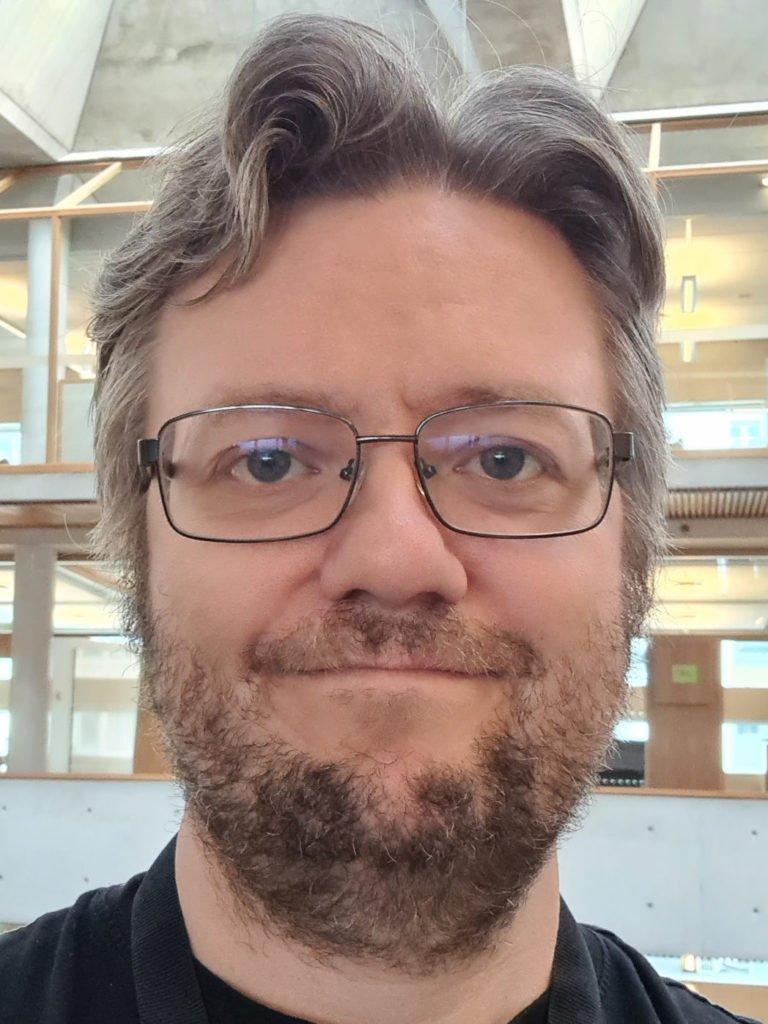 Eivind Mork
Host
- Doug Meltzer Guest
-
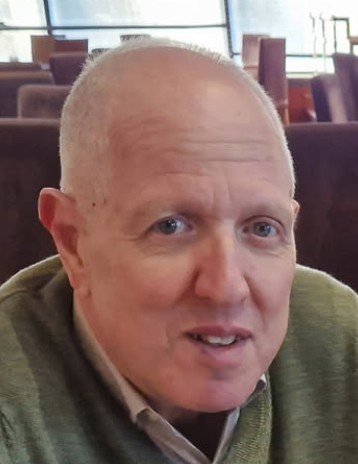 Joe “Shorty” Caruso
Guest
Chapters
Transcript
Welcome to another episode of the Humming Projector Podcast. We are back after a summer break and I hope you have had a great summer. Today we are going to talk about Cinesea, a well-known name for many American collectors. And now I, as a European collector, might get to know it a little bit better. And with me today to talk about Cinesea, I have Joe Caruso, also known as Shorty. Besides being a film collector, he is a stage actor from New Jersey, known for numerous theatre plays through the years. And welcome to the podcast, Shorty. Thank you, thank you. I know Shorty from Blackpool. He has been to the conventions all the three times I've been there. That's a pretty long way from the US and so I'm truly impressed of you coming back year after year. But before we move on, Shorty, you've got to tell us why you are called Shorty. Why? Can't you tell? I have heard it, but maybe some of the listeners haven't. Well, that began when I was a kid. I used to collect short little films that ran about 50 foot, you know, little headline editions, which you would get for a dollar or two. And a friend of mine had a little crank projector and we would show them. And one day I came over and one of the kids said, "Hey, what kind of films you got there, Shorty?" You know, as a kid you don't like that, but you know, it grew on me and I said, "I got this, I got that." So the name stuck ever since. Short and I specialized in collecting short films. It's been like that all my life. That's a great name. I wish I also had a nickname that was film related. And also with me today I have Douglas Meltzer. Doug is a cinematographer that has done work for 60 Minutes, 48 Hours, The Daily Show, Good Morning America and other well-known shows for networks like CBS, CNN and ABC and many other of the big networks. He has been present at countless professional interviews and now he gets to be involved by an experienced amateur like me here in this podcast. In the film collecting community, though, you are probably best known as one of the administrators at the 8mm Forum. And welcome to the podcast, Doug. Thank you, Ivan. I'm a huge fan of the Humming Projector, so I'm thrilled to be here. Thank you. And thank you, too. And I'm glad to finally get to talk to you, Doug, and see you again shortly. It's great to have more people from the US in this podcast as it tends to be a little bit focused from Europe as I live there. And with Shorty, only two thirds of the US collectors in this podcast has the name Doug. So that's a big change my friend Douglas Warren, as you know, has been here before and will be here back soon. We have covered the British Film Collectors Convention and Blackpool, the two conventions in the UK that are probably most known from the UK. But today we will talk about the convention in the US, the Cinesee Convention. And I know it has been a few episodes about conventions now, but I really think the conventions are a big deal in the community and I look forward to learn more about Cinesee. So, first off, maybe you can tell us a little bit more about the convention. There are two conventions during the year I know, and then can you talk us through that, where it is and when it is, etc. Well, Cinesee is a twice a year event held in a beautiful beach town of Wildwood Crest, New Jersey, almost at the very tip of New Jersey. A beautiful location and it's basically a group of people getting together to share their love of film. We gather to show films on a projector. We all appreciate the fact that films look better on a projector. It's more better than anything else. Really. And plus on top of that everybody has their own take, their own knowledge about film and everything else. And so they bring that to the show too. So watching the films we learn a lot too. I read that it was started by you Shorty and a person called John Black. That was a new name to me. I am a latecomer to this. Actually it was John Black who really spearheaded the idea years ago. I had met him back in 1982 and we both collected films and we met at a show. And when that show ended John was a little disappointed. He wanted to say, "Hey, I want to do a show that has all film again." You know, so we were talking about doing it and it took a while but we finally had a show at the Bolero Hotel which is also in Wildwood and we had the first one was in 19… That was in 2009. 19? How old are we? 2009 and it was called, I think, the Film Collectors Club International. And it had nothing but film. Nothing else. Projectors, everything. And it sort of evolved from that because when that finished then we started thinking about another show, another location a little further down to the ocean. And then he gave me a call and said, "Hey, come on down to this place here which was called the Ocean Holiday." And that was right across the street from the ocean, literally. And it worked out that we settled there for several years. It's even better. And once again, it was just nothing but film. That's how Cinesea got his name, the Cinema by the Sea. John had posted in September of 2009 on Brad Miller's 8mm Forum, which I started co-moderating in 2005. And John used to put on these nostalgia film shows with celebrities where you would get autographs, take pictures, they'd sit at tables, they'd talk about their big films and TV shows that they used to do. And he really wanted - he was jealous of the shows in the UK. He said, "Why can't we have a film show? Just film. No other memorabilia. Just film in the US." And Shorty kept prodding him to go ahead and do it. So he did it. Now unfortunately he held the first one in December of 2009. It snowed that day and it was close to Christmas. So it wasn't the biggest turnout ever, but it was a great start. And unfortunately he is not, he's no longer with us. No, no. He had passed away in June of 2011 and after the third one, I think. And we kept going. I'm sure he wanted us to continue. So we stayed at the at the ocean holiday for the next, Was it 8 years? 9 or so. And then that was undergoing renovations of some kind. So we moved across the street to another place called the Shalimar, just as beautiful. And once again, we continued what we're doing. John's death hit us pretty hard. I mean, he was such a vibrant guy. John was, in addition to being a film collector, he was a full-time musician. And also a film historian. He was working on a book about Black Hawk and had talked to the head of Black Hawk and was going to come out with it. And then suddenly we heard John was in the hospital and then he passed away. And there were three of us. There was Shorty, myself, and a wonderful gentleman named Lou Franchetti who was also at the first two conventions. And we said, "You know what? Let's do the next one in memory of John. Let's have at least one more." And then luckily it kept going. John's favorite films were from Atlas Films. I think we showed one just for him. He loved Atlas Films, which is okay. And yeah, he had talked to a guy named Martin Phelan who was at Blackhawk Films for a long... He had an interview with the man. He was in his 90s. I never saw the interview. I never saw what he wrote. But he really was working on the book about Blackhawk Films and I was helping him. I gave him all the papers I could out of it. But you know, we always run a Blackhawk film. We always run a little Atlas film at every show. We do. We do. We always toast the guy. We remember him every time. Every show. Every show is dedicated to John. In addition, every show is also dedicated to all the film collectors out there. But we definitely remember John at each and every show. That's great. And has it been the same three of you that has run the convention ever since? Or has there been any changes to the setup of the organizers? It's worked out really well. It's been the three of us. Maybe you can get us through a regular convention and take us through the days. I know there are more than one day at the convention. So maybe you can take us through the convention. What happens? What kind of events are there during the convention? Well, first let me just say that when John started Cinesea, it was basically a Saturday that went into Sunday. Dealers during the day, we'd show films later on. Then people started coming in on Friday for this. And so we thought, you know, while they're here, let's do something on Friday night. So we started the Friday night feature, which was a really clever name, I think, because it was on Friday night, right? Yeah. And then people started coming earlier. They would come in on Thursday just to hang out and have fun because it is a resort town. And while we do these things at the beginning of the summer season and at the end of the summer season, so that way it's actually less expensive for everybody all the way around, People come. They can hang out at the beach. They can go to the boardwalk. There's an amusement park nearby. We're not that far from Atlantic City, so if you feel like you've got too much money and you'd like to gamble it away, you're absolutely welcome to do that. So people came on Thursday. So we started, you know what, let's do a matinee show on Friday. And I'll get into what we're actually showing. But then people again, alright, they're coming in on Wednesday. So right now, Cinesea officially starts on Thursday evening, and it goes to Sunday at noon. So that's when it wraps up. That sounds very similar to Blackpool. Really? They also have started earlier with the dinner coming during the 80s, I think. And then at Saturday. And they started with a film show a little bit earlier on Saturday because people got there early and then there is the film viewing on Friday. And now people, some people start to come on Thursdays. Blackpool as well, but there are no official events on the Thursday. But people show up on Thursdays there too. Blackpool and Cinesee share one thing, definitely. It's basically a film vacation. It's half Cinete Convention and half Holiday. You're away. So you're on vacation. You can relax, have fun. And so why not come in early? Sure, plus down at Blackpool you're right near a beach resort too. Yeah. You have all those amusements down there and everything so it works out perfectly. I came in on a Wednesday, naturally, even at Blackpool, because I show films in my room and I bring them downstairs. And the boys start coming in and we start talking and that's it. I'm sure with both conventions, it's with all conventions, it's actually all about meeting your fellow collectors. Exactly. And it's just about the camaraderie. John Black always used to say the whole point is not really what we're showing. It's just that the camaraderie between people and getting to know them. And basically, once you meet them, they become friends and they keep showing up, which is great. Yeah, and you point out something really important there. It's about the faces, the people and get to know each other. You sent me a booklet for the 25th edition of Cinesea and there's a few paragraphs there written by Steve Clare that put words to what I feel the acquaintances are all about and I'll actually read it here. And I quote him: "Back then, we were at best internet acquaintances. We knew the names, maybe the faces as much as an avatar can convey. But we didn't know the people. The first time began to change all that. The names became people and those people had personalities and lives and souls. We gradually came to know and appreciate them." End of quote. And I think that pretty much sums up what those conventions are about. It's about the people there more just as much as the films. Many of us live maybe a little bit of distance to other collectors and there's nice to meet. And as much as forums bring us together, there will always be something missing when we end up meeting person. That's my opinion at least. So, what was the place for the conventions in the collectors scene? I believe Steve also said that an internet forum is like a transistor radio. It's great. You get to hear what's going on. You're in contact with people. But being with those same people that you talk to on the net, being with them live is like sitting in a concert hall. It's just totally...it's a totally different experience. Once you're with them, you can't get enough. We don't want to leave. By Sunday, nobody wants to really go. It's true. Sunday, which is when we start wrapping up, we go till noon. And actually, that's the last chance to get some deals. At the dealer tables. But it's also the saddest day. You just wake up and as a group, we go out for any number of meals. And it's like, alright, this is the last breakfast together till the next one. So, it's a very sad day. We're packing the cars up and tugging away, embracing and say, next time, next time. But we got a little tear in our eye, you know. We do. The same as Blackpool. I hate leaving there. It's wonderful there, too. And when you get back home and you are back to the forums again, my experience is that when you're reading the forum posts of the same people later, then you actually know them in a different way than you did before. So that's kind of a synergy there between the forums and Facebook groups and the conventions, I guess. Absolutely. Cinesea in particular, I don't want to speak for the other shows, but Cinesea is nothing without the people who come to the show. So not only for the camaraderie and getting to talk to people, and we have many meals together, which is always good. Actually, I think Cinesea is just one excuse, a big excuse to go out for as many meals as possible. But also, the people who come to Cinesea, it's not passive, it's active. They participate directly because we have two screenings. We have one on Thursday and Saturday that involve people bringing films for us. Shorty and I have a number of films that we'd like to get to from our collections but really what we do is show films that people bring. So it's almost like they are programming or curating the show. Everybody who comes brings a film and they can talk about their print if they'd like to and we'd have nothing to show without them. Particularly on a Saturday we show all films that everybody brings so it's a hodgepodge of variety and like Doug says they can talk about the print or we'll just say here's a film from so and so and hey then we once that person shows that film you know you get to know them say that's the kind of film they like that's what they bring you know and so you need to talk about that film and maybe next time they might bring a similar one. That's the whole thing it's just communicating and growing. That's what it is. Are there any defined themes for those shows or can they bring anything? The Thursday Night Show which is our most recent addition to Cinesea is called the Thursday Night Theme and basically we ask people to bring films of a particular genre that we decide on. So we started with since it started with an October show it was close to Halloween so we started with spooky films. Spooky films and people brought films like that. Then after that we did Crime and Mystery, Film Noir. Okay, bring that. We've done Movies About Movies where people brought amazing prints that I've never heard of. It's like little shorts about you and the movie theater. And it showed a family going to a movie theater and how they each see the movie and experience themselves up on the screen. And also… History of Movies: History of Movies, different things like that. I brought one called History Brought to Life. Cecil B. DeMille introduces films that he did which was incredible. So it's films you've never heard of and get to see. The last one we did was Animation, a very white based. And what's great is that sometimes people are so enthused and excited about the genre that's coming up that we've had people who do not attend the show or could not attend this particular show. They send their films anyway and go I'd like you to show this because I really love this film. And Greg Perry sent a stop-motion film to contribute to the animation one which was great. It's like, you know, the frame-by-frame people pretending to be on a motorcycle kind of thing which was amazing. So, and that's our So that's our Thursday night theme. Now, Saturday, Shorty? Saturday is sort of an anything-goes type of thing where people will bring their films. We just show, at random, cartoons, newsreel, animation, railroad, comedy, most anything. And we get through, I don't know how many films we can go through until about 1 in the morning or whatever. And we just run basically everything that's about 20 odd minutes or so. See, Saturday day starts as the dealers. It's our dealer day. So doors open at 10 and there are tables full of film and equipment and although that's also just an excuse to talk to people. It's like coming up to the table and they're hanging out. And we have all these projectors going. Practically every table has their own projector. So you're hearing this marvelous cacophony of "Oh, there's a cartoon." There's an episode of Perry Mason TV show. It was a monster film or whatever is being run. Exactly what John Black always talked about. A place humming with projectors and film. There you are. So that's Saturday and then at 4 o'clock we stop. We close the doors. We reset. Because we use the same room as our screening. It's not like "Oh, and then we're going to go downstairs to the screening room." It's kind of like what the BFCC did this last time where everything was in one room. So there's this transition from OK dealer time to screening time. So at 4 o'clock we close the doors. We move everything and we have at least three projectors lined up in the back next to each other. We have Super 8, 16, 35 all in the back and sometimes Standard 8 and we've had 9.5mm also. Which you know sets it up and then we take a break for dinner. Then when we come back in the evening we start the show and just people bring films that they want to share. It's like this is my favorite print and I really want you to see it. Wait till you get a load of this. I can hear many similarities to the Blackpool Convention that I know and you Shorty that have been to both of them. How would you describe the similarities or differences between the conventions? Are they pretty much the same or are there something that might be different? Well, the Saturday night show after dinner is usually a hodgepodge of materials that runs about an hour or so. It's somewhat similar, although everyone is sitting down having dinner and watching the film still at the same time. That's the only difference we have there, you know, which is fun. But it's the same thing. We all get together and discuss things. See, we're all talking about them as they're running to and even afterwards. Where'd you get that? How did you do? You know, that's That's the fun part of it too. And that was what I wondered about if the atmosphere was pretty much the same between the two continents. Oh, pretty much too. It's just talking about before, during and even after. And afterwards, the post-film talk is really intriguing because there you can find out more about where the person got the film and why they picked a certain one. Exactly. And why their interest is in a certain genre or something, you know. And you share that and you you know, that's how it works. It's a very informal show. The only rule on Saturday is the film needs to be 20 minutes or less. Right. Because we're trying to get as many films in as possible. And it was easier when, okay, it's just Super 8 and 16. Great, great. We got that. And then when 35 came into it, it's like, okay, now we need to work this, this into it too. What's nice is people are watching all these different things on the screen and then you see them turn around and going, "Now, which is that? Is that Super 8? Is that 16? Because, actually, there are some just amazing Super 8 prints out there. And they're going, "Wow, I never knew it could look that good on a big screen." So, people are always checking out which format that is. On the Saturday Night Show at Blackpool, it's always Super 8. And last year I showed all of mine over there and I got people coming up to me, "Oh, where'd you get that?" And they want to talk about everything and answer all their questions about it. They're fascinating people. And now, this year, I understand that some Norwegian collectors are coming to show some of their cartoons and animation and whatnot too. That was actually news to me and I should know because they are my friends, but that was interesting. That should be intriguing. Saturday is our dealer day and Saturday night is our big highlight, the Saturday Night Screening. So, when we started the Friday Night Feature, we thought, all right, you know what, we're here, let's show films. And so, we'd have our emailing list and we'd send out emails saying that, okay, if you'd like to nominate a film from your collection, your prized celluloid possession that you'd like to show with all of us, list the title and the format. And at that time it was Super 8 or 16. And we'll vote on that. And then when we thought we could add Friday Matt nay, basically what we do is the second film to the top in the voting will be our Friday matinee. So the top vote getter is our Friday night feature and the one that comes in second is the one we show on Friday day. Except for adding more days during the years, you have talked a little bit about that. Have there been any other changes to the convention, a change of direction or content in any way? Or has it pretty much been the same direction for the convention from the start? With our 25th show, we started adding presentations. We had two. So on Friday, we had our Friday matinee film start a little earlier. And then in the middle of the day, we had a presentation by a gentleman named Bob Furmanack, who is very involved in the restoration of films. And he had just finished a color restoration of Abban and Costello in Jack and the Beanstalk. And this was a Warner Brothers, was it CineColor? CineColor, right. So he gave a presentation about the process of actually having to trying his best to find original elements of this process. And he explained how it was done, which was fascinating. And then we screened the results and it was great to see. And then that evening, Dr. The documentary filmmaker Peter Flynn graced us with a screening of a work in progress, his documentary Viva Film, which is about film collecting and film equipment in the days of these days of dwindling access to film and getting pushed aside. And we had our largest crowd ever for a screening there, which he showed. And he did a Q&A afterwards. It was like a homage to motion pictures, really. It was a tribute. It was like your AFI tribute to film and it was a standing ovation for the man. It was that good. He had first asked a few years ago for permission to film at Cinesee because he was filming at various conventions and talking to various historians and preservationists. So yes, of course, he came and he really enjoyed the show and he's been to practically every show since then. It sounds like these presentations are fabulous. I would love to see more like that myself. And also maybe presentations of people's projects. I mean, there are many problems being a collector these days when the hardware is getting really old. So there are many people having also projects for making new equipment for existing projectors and things like that. And I would love to hear more about these things. So that's what I wish I have for Blackpool. That's where I attend. So we'll see if they come up with something like that. They had a Q&A session with Jed Jones on the last time. Which was incredible. Which I absolutely loved. I learned so much from that. That was amazing. I had met Jed when I went to Duran for the first BFCC I'd gone. That was back in 2004. And everybody at Duran was just so nice. And he gave me a tour. And it was great to see that interview. Yeah. And they were very kind to let me use that as an episode in the... ...in the podcast. The previous episode is actually that part. And if any of the listeners haven't heard that, I absolutely recommend that you go and listen to that episode. And both Jed and Adrian that hosted the Q&A session and the other organizers gave me a go-to to actually release that, which I'm really happy and I appreciate a lot. I will say Jed's a great guy. We've been friends now for about two years. That interview was incredible. Oh, absolutely. He has helped me a lot with the Super 8 database. I'm looking for some old prints just for me if you can find them from Durant. And since you brought up Super 8 database, thank you so much. It's an incredible site. It's such a great resource. So there are times that, you know, maybe someone on the 8mm forum will ask a question and it's like, you know what, I think I know the answer, but let me check on Super 8 database to find out. Oh, thank you very much. I do my best to add accurate information once in a while. There might be an error which I would love to get feedback for to correct this, but I do my best to add the information. But nothing could have been done without all the other people around that has helped me a lot. I have just a few prints myself and so, of course, most of the covers and information are getting from elsewhere. And my friend Greg Perry has helped me tremendously with adding information. So, for me, it has also been a way to get to know a lot more people. The work with the Super 8 database and now also with this podcast has been a godsend for me to, in a way, to get to know more people. And there are so many great people out there, like you. We're great! Like you, like you! Wow! Yeah, yeah, yeah. Um, your Shorty has traveled a long distance to Blackpool, but the US continent is not exactly a small continent either. So, even though you might live in the US, there might be a long distance. So, how is it in Cinesea? Does most people live close to Cinesea or do they come from the entire US? The entire really. It's not far from me. I'm about three hours by car. So, I'm one of the fortunate ones. But we've had people that come all the way from Iceland and Japan, Texas, the West Coast and Florida too. They come all the way over. And hopefully we can get you to come over here too and some of our friends from England too. I would love that one day. Sure, sure. We have one fellow who drives from Texas, which is basically 1600 miles each way. Now I'm sure he stops. You know, he's just having a great time just driving through the United States and he's going to end up at Cinesea and then he's going to work his way back. But it's incredible that Guy Taylor does that. And we've had David Baker come drives from Florida. And we have people who consistently drive from Ohio. They're at every show. And that's about 500 miles away. Greg Perry's come from Minnesota. And I think he walked. No, wait, that's not true. Greg Perry: For film he'd walk. He would. Greg Perry: But it really makes us feel so good that people enjoy the show and want to travel to get there. Greg Perry: So actually you could call it an International Film Collective, really. We're still what we are. We're gathering before everyone. Greg Perry: True, true. Greg Perry: What's very nice is that we started small and then pretty much when someone would come for the first time and see what we're about and enjoy themselves. Greg Perry: Then they would start coming again and then they would bring somebody else. It just grew exponentially. I realize it's a cliche, but I really feel like there's a Cinesee family out there because it's not just walking into a hall and checking things out. When people walk in there are hugs. It's really like seeing people, your friends and family that you haven't seen for either a year or the six months. And it's just so special to hang out with these people. And we do, we really do try to go out to eat a lot so we get to continue our conversations in the restaurants. And how we laugh. The laughter is contagious. It starts the moment you come in to relieve. I remember one dinner, as it got larger we had to spread out, you're not all at one table anymore. Table for 60 please, you know, you can't do that. But it's like I would hear voices rising, not in anger, but both defending the various projectors. Oh, no, this projector is it. Oh, no, what you really need is this. And I'm wondering what everybody else in the restaurant is thinking, you know, at that point. Some of us will act out a scene from a film or just laugh about it. I mean, it's incredible. That's the joy of it, really. I must say that projector discussions are, sounds pretty familiar. I mean, you're an Ikey. Which do you like? Are there other convention alternatives in the US or is Cinesea the convention for film collectors in the US? No, no, no. There's the one in Ohio, the Columbus Moving Picture Show, which is held near Memorial Day in late May. There's also one called Capital Fest, which is in Rome, New York, which is actually, I think it's in August. But mostly, again, they show some and there's not much film to sell, but they do screen a few up there. Mostly they have collectibles and whatnot. And then in California, there's the CineCon, which shows a lot of 35mm too and 16mm. I think, I dare say, that Cinesea though is possibly the only one that has a concentration on Super 8. Mm-hmm. And Standard 8 and 9.5, 16mm, 35mm. So we're more close-knit. Yeah, and at least that's the one I've heard by far the most about from here where I live in Norway. John Black was used to doing these other types of conventions, but he said, "No, Cinesea is there's going to be nothing on the tables except for film. Now, if you have posters you want to sell, fine, but you have to have a table full of film first before you do that." So, that's the... Exactly. When you walk in, it's not like, "Okay, I'm going to skip that table because there's no film there." No, there's film on every table. So, we've kept his wish going all these years and we'll continue doing that. Because people have a lot of film to sell. They do. And talking about, as you have been there for many years, what drives you continuing hosting this event? I mean, it must be a lot of work and I'm sure you have a lot of worries and don't make much money, if anything, at all. So, what makes you do this year after year? Twice a year actually. How is it that you select to do this on your spare time? CineSea is strictly non-profit. John actually started that first. By the way, I don't know if I've said this but there's no admission. Admission is free. Did I mention that? Admission is free. We do have a low price for dealer tables. It's currently $30 and that's much less than big conventions across the world. The point is, and John has said this, that he wanted an affordable show. He don't want you to spend anything to get in so that you have more money to buy from our dealers and to add to your collections. So we've kept that. It's definitely non-profit. We're glad when we break even actually. And people are actually, some people are very nice in that they'll contribute to a little more saying here's to keep it going. But Shorty, why do you come back every year? Well for me I can always say I'm fascinated with coming back because you never know what you're going to find. And the stories people have to tell. Doug can bear me on this now. There's one coming up in October I've already planned this thing from May when the last one. The moment I get home I start looking through what I have and what I'm going to bring and I start putting together things for the next one. Now I'm already packed up with five boxes worth of film. Stuff to sell, stuff to show, whatever. They know I'm crazy but I do it anyway. So that's the thing I'm fascinated. I'm going to bring this. Maybe I can trade this for a cartoon. No, maybe Gary has this. You never know what you're going to do. So when I get there I'm really fascinated what people have. What stories they got. For me that's the whole thing. Listening to what they have to say. I'm a listener really. I don't talk too much. Except for the part about you not talking. That was pretty much true. Well, I'm going. But that's what it really is. I'm fascinated to find out what's going on. That's what keeps me going with this. And besides, it's a great hobby. It is. It is. What drives me is, first of all, it's like, OK, we're going to get to go. It's a vacation. It's fun. And we do show what everybody brings. However, the start of the show is normally me. I will put the first reel on. So I will put a first reel on. And this is going to run under 20 minutes together. So it's like, OK, what can I pick to start the show? And it's always... I love doing that. And actually, we started our last show with Lee Mannering's Reel Collector release, which blew everybody away. We've premiered a number of new releases at Cinesea in Super 8. And Dave Baker has come and brought his new releases. And so people are seeing them there mostly for the first time. And I love seeing the reaction of people. And also, my side hobby is making those silent releases that were done by Ken Films and Columbia Pictures when I first started collecting in the 70s that were never released as sound. And I have a striper and so I will sound stripe them and add sync sound to them. So the last one I think was Dinosaurus, the Ken Films 8 minute release. And it's like here's what it's like with sound, which is great when the subtitles actually have nothing to do with what's actually being said. But it's the fun of showing what's in your collection to people. We haven't talked about Lou. Lou Franchetti and his son, also Lou, they've been film collectors forever. They're well known in the film collecting field and they're as much into it as we are. And the first time I I met Lou, he had a table, a few tables that I thought were really going to collapse because he had put so much film on there. They just bring really tons of film and they're there. Lou is just incredible to work with so we're thrilled that he's part of the group. A word about Lou though, I've known him since 1982 down in Cherry Hill, New Jersey when we had a film show down where I met John. The man has the most incredible collection of monster films I've ever seen. He knows universal horror by the back of his hand. Him and his son both are absolutely superb in film. So the way we've just kind of split it up is that Lou, for the longest time, has been the one who organizes with the location. We're at the Shalimar Resort Conference Center and as Shorty said earlier, which was diagonally across the street from our home for the longest time, which was the Ocean Holiday. The staff was incredible. They would bend over backwards and you've got, you know, you really appreciate them. Oh yeah, you want to go till two in the morning? That's great. That's no problem. And the Shalimar is the same way. So Lou has been the one who actually, he found the Shalimar for us. And so he's been organizing it that way. I'm more of a scheduling person and all right, we're going to do this and I'm going to try to get this person to come from the seminar and I'm still trying to figure out what Shorty does. I'm the boss. Oh, okay. No, no, no. I just agree with everything they say. But it's great that there are people like you actually doing the work because sometimes when they read on forums and people talk about conventions they have been at, it seems like some people think that conventions make themselves and they do not. There are a lot of work and when things seem to happen by itself, it's because of good organizing by the organizing team, I'm sure. So thank you for making that convention. It's truly important for the community to have conventions like this. Any particular story or happening that you remember? Something special that happened during the convention? Are there any special stories that you want to share? There are a number of highlights. You know, it's when someone who attends Cinesea and is just like, you know, how about if I did this? Or how about if I bring this? So when Dino Everett, who's a film historian, came with 9.5, that was spectacular. I had never seen a 9.5 projector or a 9.5 film screened. I had never seen it. And I was thrilled with how it stopped. Me neither. It's notched so that it stops for a specific time on a title and then goes on. So there's only a frame or two spent on the title and then it moves on. That was incredible. It was a clock and hole right in the middle of each frame and it has a clock. When he showed that, that got me hooked. So I have a bunch of 9.5 now, which I found some in Blackpool and elsewhere. I can't run it yet, but I'm collecting it because this is rare stuff too. It was fascinating. And that presentation was actually done in a theater in Wildwood, the Sea Theater, SEA. And that theater started life as a Nickelodeon. So it's like we were in a historical location and Dino set up his 9.5 projector next to the 35. So it was a great shot to see that. But the 9.5 films were printed. Those prints were made closer to when the films were new from that time period. So I've never seen clear, beautiful prints like that. He showed a Metropolis clip that was incredibly sharp. The first time we had 35mm was a big deal. That was David Baker and Terry Bange. David had been coming to Cinesee before and he says, "Alright, you know what? I want to bring this portable 35 projector that we're working on." And so he drove, he and Terry drove it from Ohio. And it's like, "Wow, 35mm comes to Cinesee and what are we going to show?" And David says, "You know what? I have a 3D print of House of Wax." So that was our first experience with 35mm there and everybody had the glasses on and it was great. And since then, Jeffrey Curtis, who's one of our regular projectionists and an amazing guy, he does a lot of projection for conventions in the U.S. Ohio also. In Ohio Columbus, he does work. He's a wizard. Ever since that day, he's brought his 35mm projector with him. So that's how 35mm became a regular thing. It's when people come up and say, "You know what? I really like this so much that I want to share this. I want to bring this piece of equipment. I want to show this special film." And people people also bring, "Okay, I've got cases of water. I've got snacks." We have Todd and Tammy who have brought cakes every time and they're decorated with the number of Cinesee and sometimes the Friday Night Feature title. So we've had cakes that say "Psycho" on them. Even the acts was in frosting. It was wonderful. We appreciate that and that just that just pulls me over that people are so into it that they want to participate. That's why I said it's not passive. You're not coming to a show sitting down watching something or just walking around the table. You are part of it. You are gonna come to eat with us and we're gonna talk and we're gonna show your film and then you're gonna and for the most part people come back every time since then. You show with us, you grow with us. Oh! There you are. That's what Cinesea really is. And that's why we come back every time. And that's why we hate to go home on Sunday and we want to make it into Monday. We want to continue. We never want to stop, you know. And for those that listen to this now and think, "Oh, I really want to experience this," when is it and where can they go to get to this convention next? Our 27th show will start September 28th. And it will go through October 1st. Remember, we start in Thursday evening and we continue to Sunday at noon. And they should go to CineseeFilm.com, our website. But also they should check out Brad Miller's 8mm Forum because that's really the home away from home for Cinesee. Because that's where the write-ups of every show are with tons of pictures and specific details about what we've shown. So if people want to find out more, the "when is the show" booking details are on the website but really the history is on the 8mm Forum. And I will add links to the show notes so people can find it there. Do they have to stay all the days in case they might not be able to stay the whole weekend? Is it possible to be there for just parts of it or is it all or nothing when you book at the hotel? People have asked and they always go okay if I buy a ticket can I just you know can I just come on Friday and there is no ticket. Remember there's no admission. When it's like it's like the old joke what time is the show? Well what time can you get here? It's very informal. It's like if you can show up for the Thursday night theme which is a surprise for the next one. We don't tell anybody until a month before so then they can oh I want to show this. So if you can't make it for Thursday try to make it for Friday. But I would say if you're coming the Saturday night show is the highlight. That's what you've got to do. So come Saturday during the day for the dealers that's from 10 to 4 and then come out to dinner with us and have a great time at the Saturday night screening. So if it's just the one day and you're staying over on Saturday night that's it. But otherwise please hang out with us. We're lonely and we'd like you to come for the Thursday through Sunday morning. Very lonely. The thing is the welcome mat is always open at our show. Come when you want, stay as long as you want. You come in as we may not know you, but you'll leave a cherished friend and you won't want to leave. And for some that it might be a little bit intimidating to get there alone and not knowing anybody. But my experience at the first Blackpool, I cheated a little bit. I've told this before in previous episodes. I cheated a little bit because I came with a Norwegian as I knew. But if you don't know that many people, My suggestion was to post a picture of myself on the forum where I said, "Hello, I'm Ivan. If you see me at the Blackpool convention, come and say hi." And people did. And it was absolutely not difficult at all to get to know people because people like to meet new faces. I mean, the community isn't that big. So any new face would be a good welcome to any convention, I'm sure. So I would really say that don't be afraid to show up at a convention for the first time. It's not scary at all. You will get a warm welcome. You know, my first time at Blackpool, I was planning to go, but the work or something else came up when I finally went about six years ago. David Guest, who was running the thing at the time, wonderful man, when I came upstairs and I said, "David, I'm Shorty. He embraced me. We talked. You came all the way over here across the pond." And he never stopped repeating it over and over again. I got to know them all right away. It was like, that's it. These past six years have been wonderful. Same group I have here that I'm close with. Same group of mates over there. They're wonderful. David Watson, Simon, all of them. They're just fantastic. When I first went to the BFCC in 2004, I had the advantage of being on the 8mm Forum. So when I announced that I was going, I suddenly got all these invitations. John Clancy saying, "Okay, come on over. We're gonna have..." Actually, he was, I think, the first person I called when I got to the hotel. And he was saying, "Great, dinner tonight and we'll screen and we'll do some film." So everybody was incredibly friendly. And these were people I had only been on the forum with and knew them that way. So it was just so special. I felt like, okay, I had friends even before I went there. Now, if you're not on the forums and you don't participate that much, please don't worry. Just come in and please find me or Shorty and say hello. And normally if there's a face we don't recognize, it's like, oh, Shorty and I raced to go talk to that person and welcome them into it. But no, it's the same thing in the Blackpool, same thing over here. Please come. You're welcome. We so appreciate everybody that walks in that door. We are so grateful. It's like, thank you so much for coming. It's like, okay, new friends. If you have a film that you have to have edited, maybe the splice, some will do that for you. If you need a reel or something unusual, someone will have it. That's the fascinating part. People have brought their projectors and say there's a problem with it. And normally someone volunteers to take a look. Basically, I think Cinesea is just a much larger version of when you invited your friends to come over to your house and watch a film. It's really a larger version of that. And that was a great ending, I think. So I might wrap up here. No, we'd like to keep going, please. We don't want it to end. See, that's the thing. If you enjoyed this episode and want to follow us, you can listen to us and subscribe to our podcast using players like Pocket Casts, Apple Podcasts, Spotify, Google Podcasts, Amazon Music and YouTube. You can also use any podcast player supporting our SS. Go to our website HummingProjector.com to learn how to subscribe. You can also listen to any current and previous episodes on our website without any additional software. If you have any feedback for this episode or a suggestion for a future episode, please send an email to feedback@hummingprojector.com. And with that, we have reached the end of this episode. And thanks to Shorty and Doug for taking the time to talk about Cinesea here at my podcast. My name is Ivan Mork and thanks for listening.